Categories
- Case Studies (5)
- News & Events (57)
- Testimonials (14)
Recent Posts
Subscribe
Subscribe to one of our social channels and stay up to date with TB Electrics!
Solar Panels Cheshire : How Many Do You Need?
Find out how many solar panels your Cheshire home needs. With expert advice from TB Electrics you can get a tailored system quote for your needs
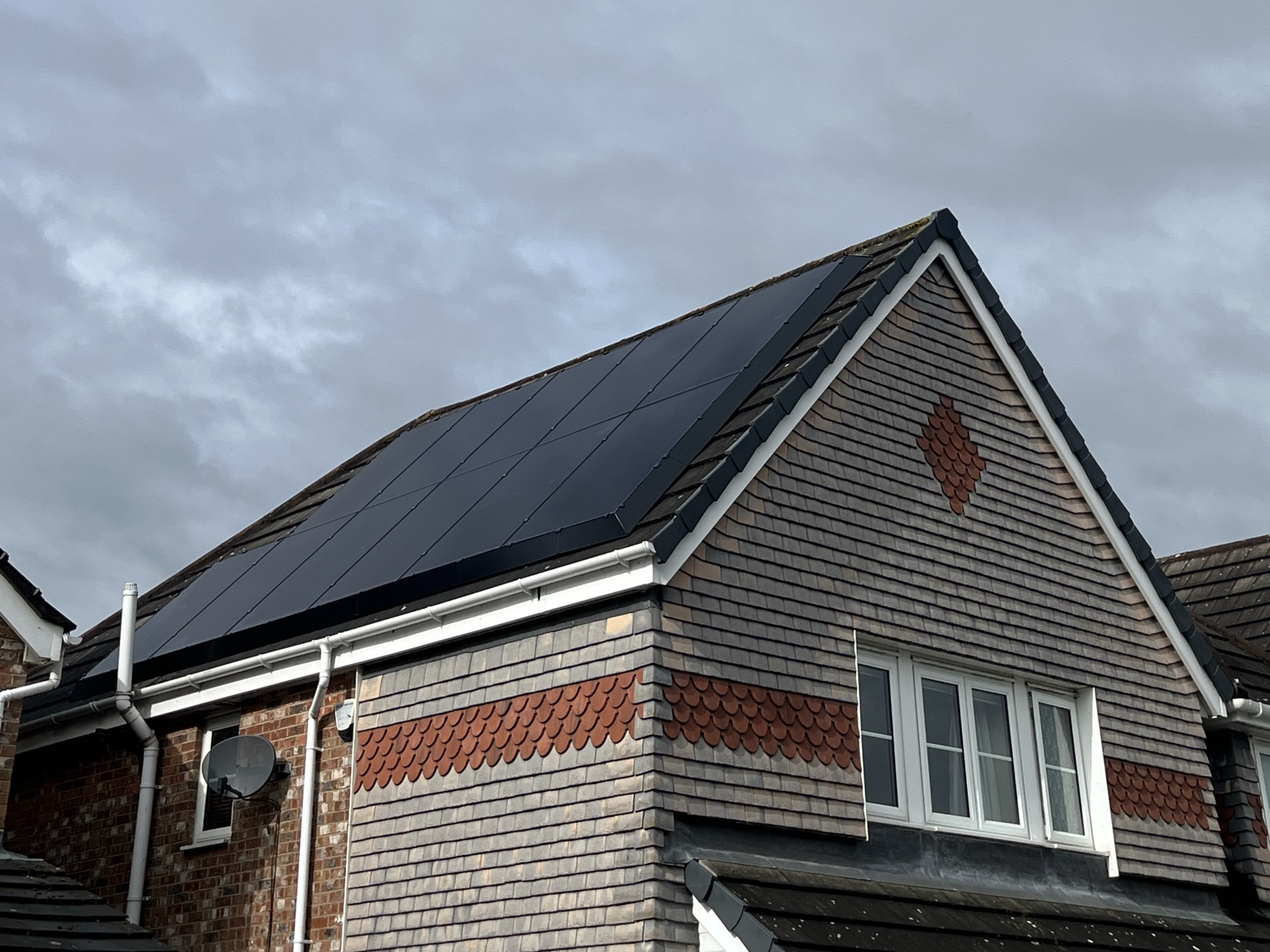
How Many Solar Panels Does a UK Home Need in Cheshire? | TB Electrics Guide
If you're a homeowner in Cheshire considering solar energy, one of the first questions you’ll ask is:
How many solar panels do I actually need for my home?
The honest answer is — it depends on your property, your energy usage, and your future plans. But we can give you a realistic starting point.
Average Solar Panel Requirements for UK Homes
For a typical home in Cheshire:
- Annual electricity usage: ~2,700 kWh
- Recommended system size: around 4kW
- Number of panels: 8–13 solar panels
This type of system will usually generate enough electricity to cover 50–70% of your household energy usage, making a noticeable reduction in your energy bills.
Why the Number of Solar Panels Varies
Every home is different. At TB Electrics, we design systems based on your specific needs — not a one-size-fits-all approach.
Here are the key factors that affect how many solar panels you’ll need:
Your Energy Usage
The more electricity your household uses, the more solar panels you’ll need to generate enough power.
For example:
- Electric vehicle (EV) charging can add 2,000–3,000 kWh per year
- Air source heat pumps significantly increase electricity demand
- Household size and daily routines also play a role
If your energy usage is higher than average, you may need 12+ panels to get the most benefit.
Roof Space and Installation Options
Your available space often determines how many panels can be installed.
Most solar panels require around 1.5–2m² each, but there are more options than just your main roof:
- House roofs
- Garage roofs
- Outbuildings
- Car ports (increasingly popular)
- Ground-mounted systems
Obstacles such as chimneys, skylights, and Velux windows can reduce usable space, but modern system design can work around many of these challenges.
Roof Direction and Pitch
Roof orientation plays a key role in how efficient your solar system will be:
- South-facing roofs: Best performance
- East/West-facing roofs: Very effective alternatives
- North-facing roofs: Can still generate around 50% of south-facing output (depending on pitch)
In Cheshire, solar panels are still highly effective even if your roof isn’t perfectly positioned.
Modern Solar Panel Efficiency
Today’s high-efficiency solar panels (often 400W+) mean:
- You need fewer panels than older systems
- You can generate more electricity from smaller roof areas
This makes solar viable for more homes than ever before — even those with limited space.
What Are Your Goals for Solar?
Not every homeowner wants the same outcome from their solar installation.
At TB Electrics, we always ask:
- Are you looking to reduce your energy bills?
- Is your focus on environmental impact?
- Do you want greater energy independence?
- Are you concerned about power cuts or outages?
- Are you interested in battery storage or off-grid capability?
Your answers directly influence how many panels — and what system design — is right for you.
Planning for the Future (This Is Crucial)
One of the biggest mistakes homeowners make is only planning for today.
We always design systems with the future in mind, including:
- Planning to buy an electric vehicle
- Changes in household size (children, family members moving in/out)
- Installing an air source heat pump
- Adding high-energy items like hot tubs or garden offices
Future-proofing your solar system now can save you money and hassle later.
So, How Many Solar Panels Do You Need?
For most homes in Cheshire:
👉 8–13 solar panels is the typical range
👉 10–12 panels is the most common installation
But the right system for you depends on your home, your usage, and your long-term plans.
Get a Bespoke Solar Design from TB Electrics
At TB Electrics, we don’t believe in guesswork.
We design every solar PV system based on:
- Your energy usage
- Your property layout
- Your future plans
If you’re based in Cheshire and want a clear, honest recommendation, get in touch today for a tailored solar consultation.
Frequently Asked Questions
How many solar panels does a typical UK home need?
Most UK homes need between 8 and 13 solar panels for a 3kW–4kW system, depending on energy usage and roof space.
How many solar panels do I need in Cheshire specifically?
Homes in Cheshire typically need 8–13 panels, but this can increase if you have higher energy usage, an EV, or a heat pump.
Can I install solar panels on a small roof?
Yes. Modern high-efficiency panels mean even smaller roofs can support a solar system. Garage roofs, extensions, and ground-mounted systems are also options.
Do solar panels work on east or west-facing roofs?
Yes. East and west-facing roofs are very effective and can still generate strong energy output, even if they are slightly less efficient than south-facing systems.
Will solar panels save me money in the UK?
Yes. Most homeowners reduce their electricity bills by 50–70%, depending on system size and energy usage.
Should I install more panels than I currently need?
In many cases, yes. Planning for future energy use (such as EVs or heat pumps) can maximise long-term savings and system efficiency.
Looking for a trusted, local installer in Cheshire?
Contact us today - by clicking here and filling in our Contact Form
Written by TB Electrics - Solar Installers in Cheshire